When RFID Goes to Space: Redefining Equipment Tracking Beyond Earth

In the aerospace industry, “the cost of error” is never an abstract concept. A misplaced screw or a missing spare part can lead to launch delays at best, and losses of hundreds of millions of dollars—or even risks to astronaut safety—at worst. As spacecraft systems become increasingly complex and mission durations continue to extend, traditional management methods based on manual records and barcode scanning are no longer sufficient to meet the demands for high reliability, precision, and full traceability. Against this backdrop, RFID technology is moving from terrestrial industrial applications into space, becoming a critical digital foundation for managing spacecraft equipment and maintenance parts.
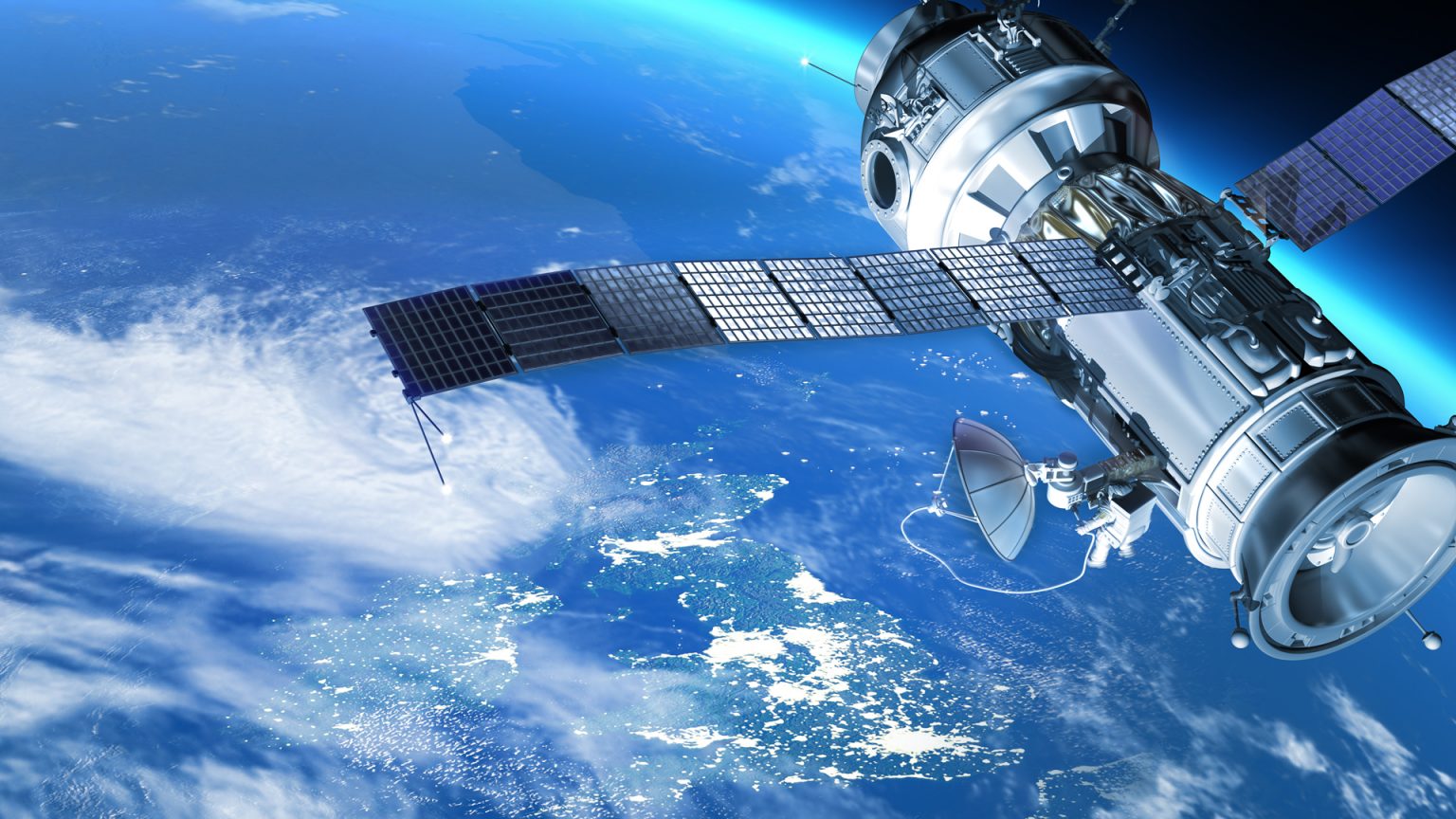
Spacecraft equipment management differs fundamentally from that of conventional industrial systems, exhibiting several extreme characteristics. First is the sheer scale and diversity of components. A space station or deep-space probe may consist of tens or even hundreds of thousands of parts, spanning structural components, electronic modules, propulsion systems, and life-support equipment.
Second is the long lifecycle. From manufacturing and ground testing to launch, in-orbit operation, maintenance, and replacement, the lifecycle of aerospace equipment often extends over a decade or more.
Most importantly, the aerospace sector places exceptionally strict requirements on traceability. The production batch, test data, installation time, operating hours, and maintenance history of every single component must be accessible, verifiable, and auditable. Any omission or human error in manual logs or barcode-based systems can significantly amplify operational risks.
RFID (Radio Frequency Identification) is not a new technology, but its non-contact operation, batch identification capability, and real-time data collection align closely with the core needs of aerospace equipment management.
Each RFID tag provides a unique digital identity, enabling true “one item, one ID” management and eliminating errors caused by duplicated or inconsistent manual labeling. Moreover, RFID does not require line-of-sight scanning. In enclosed compartments, storage modules, or microgravity environments, this feature greatly improves the efficiency of inventory checks and item retrieval.
Another key advantage of RFID in aerospace applications is automated data capture. Every movement—whether a part is issued, installed, removed, or repaired—can be recorded automatically by the system, forming a continuous and reliable data chain. This not only reduces manual workload but also provides a solid foundation for audits, analysis, and accountability.
During spacecraft manufacturing and ground preparation, RFID is first applied to full lifecycle management of components and equipment. From the moment a part enters the warehouse, its manufacturer, inspection parameters, and qualification status can be digitally recorded. During assembly, RFID systems can be integrated with process control platforms to ensure that the right component is installed in the right position.
In the launch preparation phase, RFID significantly enhances ground logistics and warehouse operations. Batch identification and automated verification reduce the time and error risks associated with manual counting—an especially critical advantage when launch windows are tight and delays are costly.
Once in orbit, particularly aboard space stations or crewed spacecraft, the value of RFID becomes even more apparent. Astronauts operate under extreme time constraints and physical limitations. By tagging tools, spare parts, and storage containers, RFID systems allow rapid location of required items, eliminating time-consuming searches in confined modules. At the same time, inventory status can be automatically updated and transmitted to ground control, enabling real-time visibility of onboard resources.
Applying RFID technology in space is far from a simple extension of terrestrial solutions. The space environment imposes significantly higher technical requirements.
Environmental resilience is the first challenge. RFID tags and antennas must withstand intense radiation, extreme temperature variations, and vacuum conditions, which demands specialized materials and advanced encapsulation techniques. Electromagnetic compatibility is another critical consideration. Spacecraft contain densely packed electronic systems, and RFID deployments must ensure zero interference with mission-critical communication and control equipment.
Additionally, the metallic and enclosed structure of spacecraft presents challenges for signal propagation and read reliability. Optimizing read range and stability in such environments requires customized antenna designs, careful system layout, and extensive simulation and testing. These challenges are gradually being addressed through engineering innovation and system-level optimization.
The value of RFID in aerospace goes far beyond operational efficiency. As data accumulates over time, RFID systems evolve from simple asset-tracking tools into powerful platforms for risk management and decision support.
By analyzing long-term data on usage frequency, failure rates, and maintenance cycles, engineering teams can identify potential risks in advance, optimize spare parts allocation, and even feed insights back into spacecraft design improvements. This data-driven feedback loop is difficult to achieve through experience-based management alone.
For future deep-space missions and long-duration habitation scenarios, resupply costs are extremely high, and any misjudgment can have serious consequences. The fine-grained data infrastructure enabled by RFID will be a critical foundation for ensuring mission continuity, safety, and resilience.
From low Earth orbit to lunar bases and Mars exploration, space missions are expanding toward greater distances and complexity. This evolution brings higher demands for intelligent, automated equipment management. The integration of RFID with the Internet of Things, digital twin technologies, and artificial intelligence will transform spacecraft from passive assets into intelligent systems capable of sensing, analysis, and prediction.
RFID’s journey into space is not a technological experiment, but an inevitable step in the digital and precision-driven evolution of aerospace engineering. Behind the spacecraft walls, each small electronic tag plays a quiet yet essential role—helping to build a safer, more reliable foundation for humanity’s exploration of the universe.
categorias
novo blog
direito autoral © 2026 Shenzhen Jietong Technology Co.,Ltd. todos os direitos reservados.

rede ipv6 compatível

 português


