01. nossos produtos

Produtos quentes

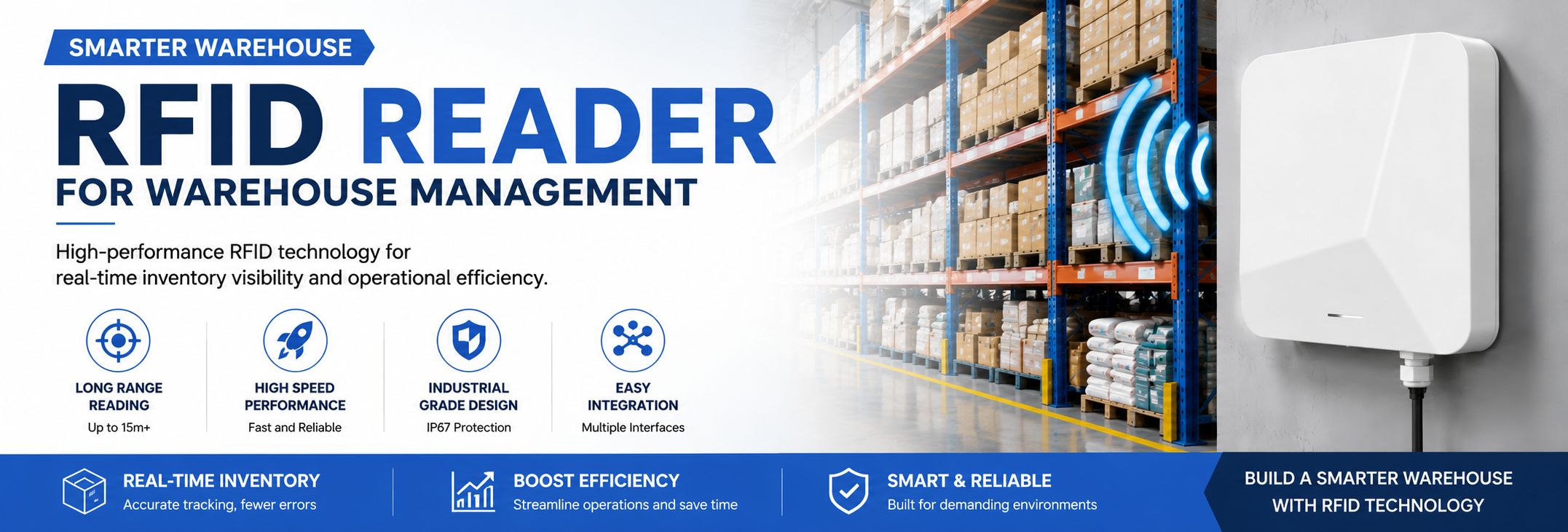
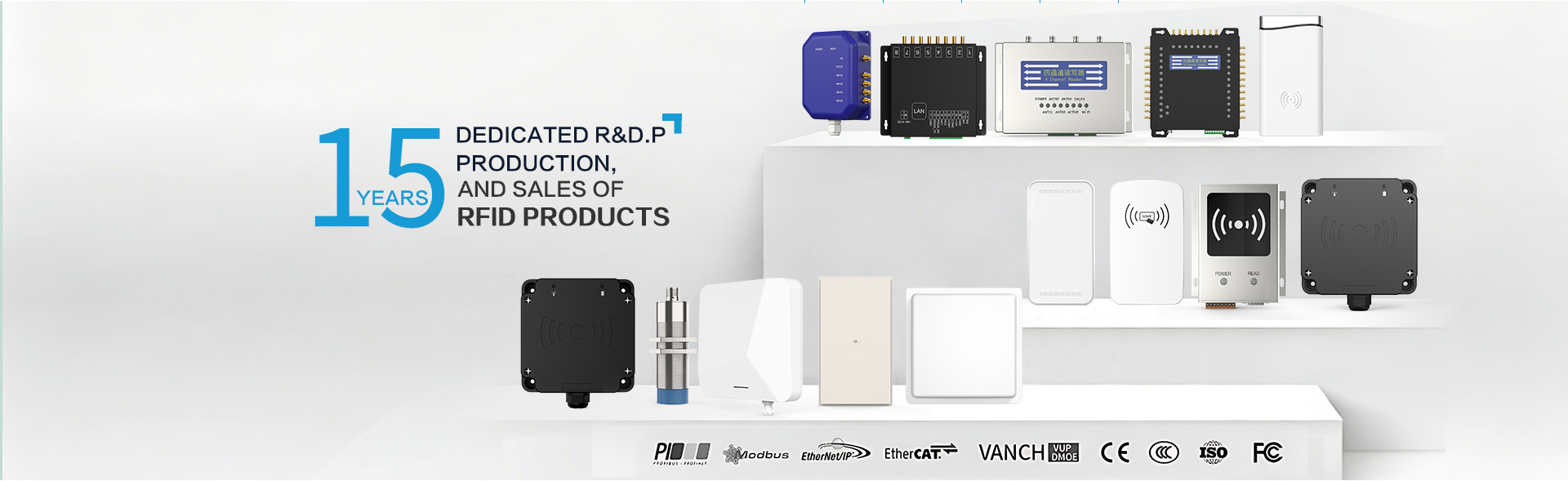
shenzhen jietong technology co., ltd. é uma empresa de alta tecnologia com foco no desenvolvimento, produção e vendas de identificação por radiofrequência (RFID).

4-port UHF RFID fixed channel reader
Leitor fixo RFID UHF JT-928 de 2/4 portas Leitor fixo RFID UHF JT-928 de 2/4 portas

Antena de 4 portas, interface fêmea TNC, chip serial TM, leitura de grupo

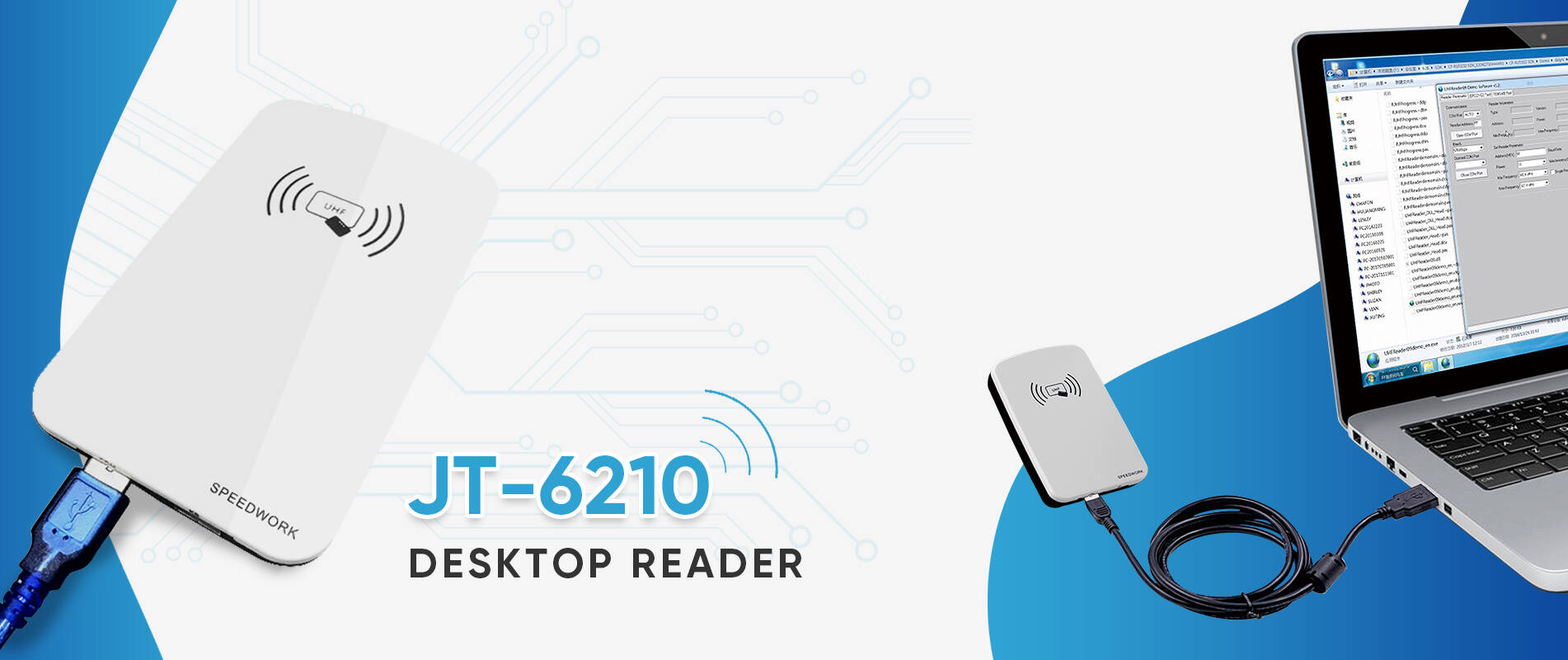
UHF Desktop RFID Reader
JT-6210 Leitor e gravador USB de mesa UHF RFID 0-1m ISO18000-6C JT-6210 Leitor e gravador USB de mesa UHF RFID 0-1m ISO18000-6C

O leitor e gravador USB de mesa UHF RFID JT-6210 possui dupla interface de comunicação USB, com entrada da porta serial à esquerda e saída do teclado à direita.

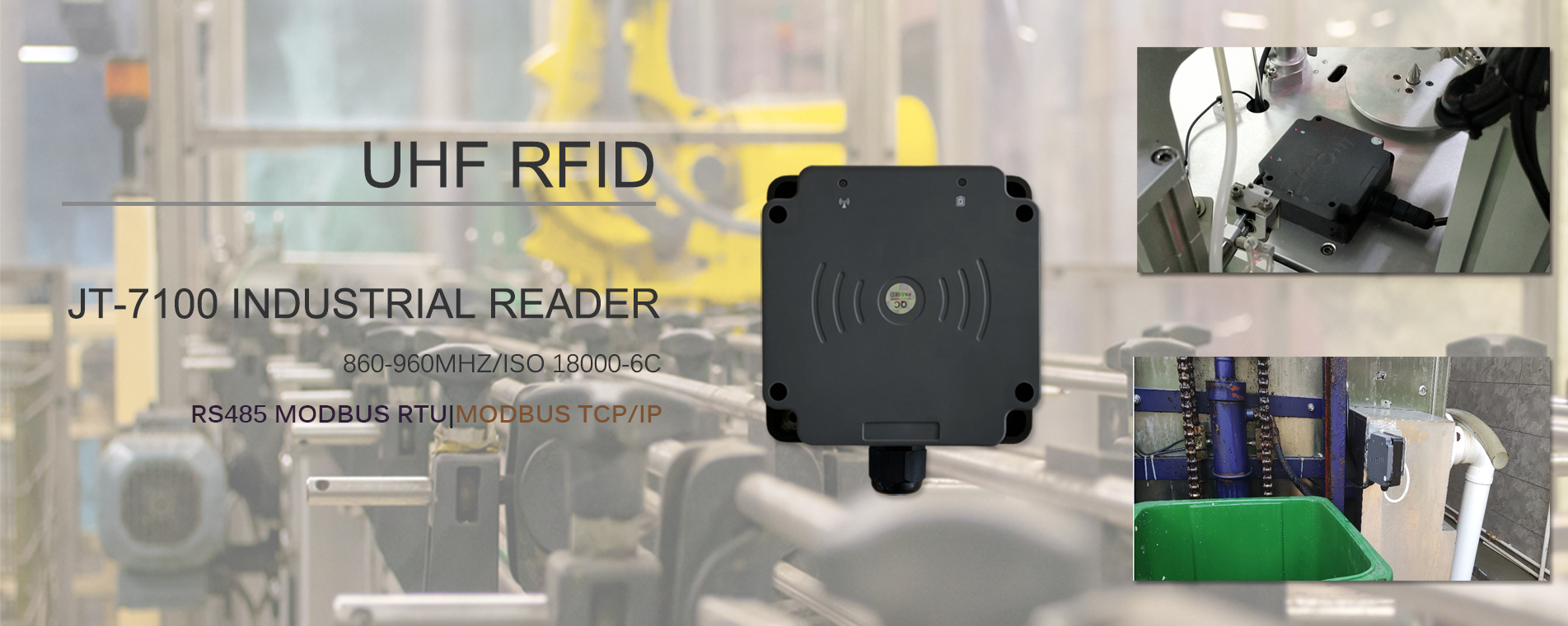
 Industrial Grade UHF RFID Reader
Leitor RFID UHF de nível industrial JT-7100 0-3m 860-960MHz Leitor RFID UHF de nível industrial JT-7100 0-3m 860-960MHz

Design de nível industrial IP65/IP67, Distância de leitura de 0 a 3 m, leitura de grupo de 0 a 20 tags, suporte ao protocolo Modbus/Profinet.

UHF RFID Gate Reader with Andorid Screen
Leitor de portão RFID UHF JT-923 ISO 18000-6C com tela Android para gerenciamento de controle de acesso Leitor de portão RFID UHF JT-923 ISO 18000-6C com tela Android para gerenciamento de controle de acesso

Chip principal: Chip serial TM Protocolo: ISO 18000-6C Tag RSSI: Suporte Área de suporte: América , Canadá e outras áreas de acordo com o critério da FCC Parte 15 Europa e outras áreas de acordo com o critério ETSI EN 302 308 China , Índia , Japão , Coréia , Malásia , Taiwan

UHF RFID middle range reader
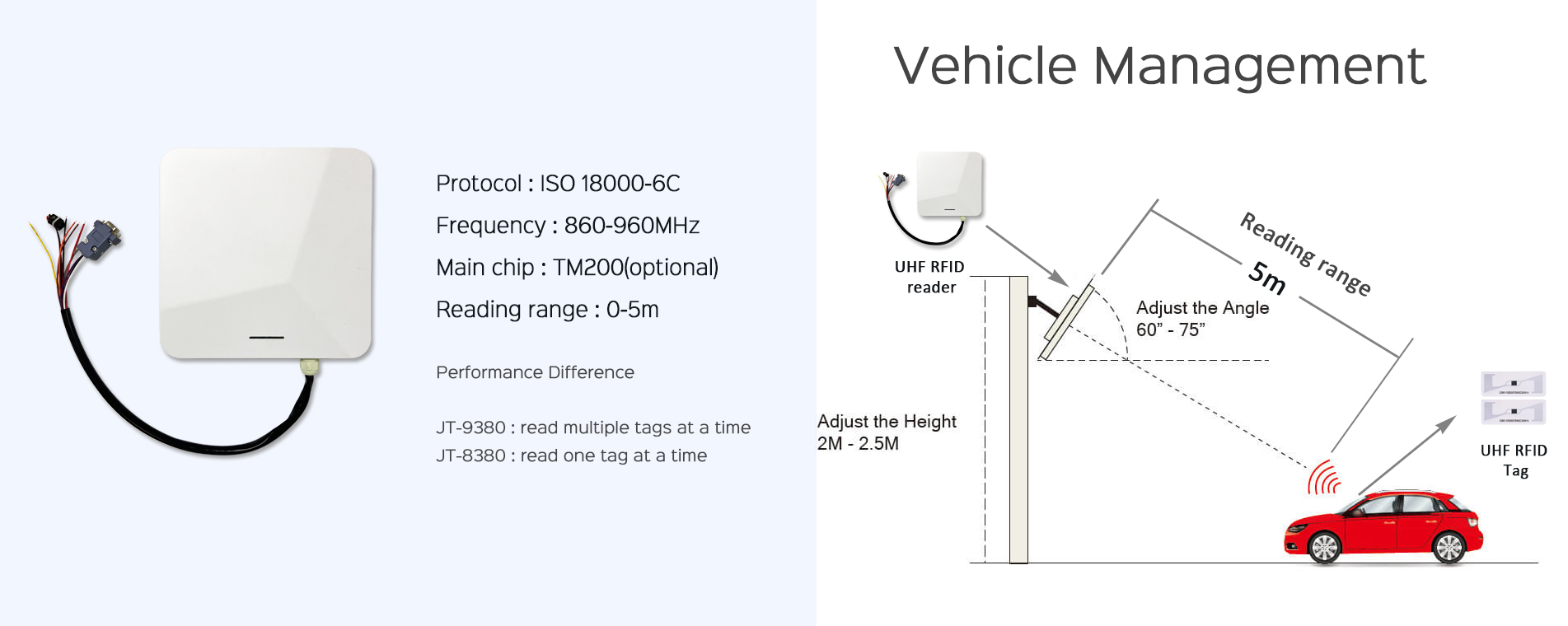
Leitor integrado de médio alcance JT-8380 0-6m UHF RFID 860-960MHz Leitor integrado de médio alcance JT-8380 0-6m UHF RFID 860-960MHz

UHF RFID reader module
Módulo UHF RFID JT-2540 TM200 de 4 portas 860-960 MHz TTL Módulo UHF RFID JT-2540 TM200 de 4 portas 860-960 MHz TTL

Leitura em grupo >200 tags/seg; Alcance de leitura de até 0-25 m; 1-4 portas de antena SMA;

RFID reader module
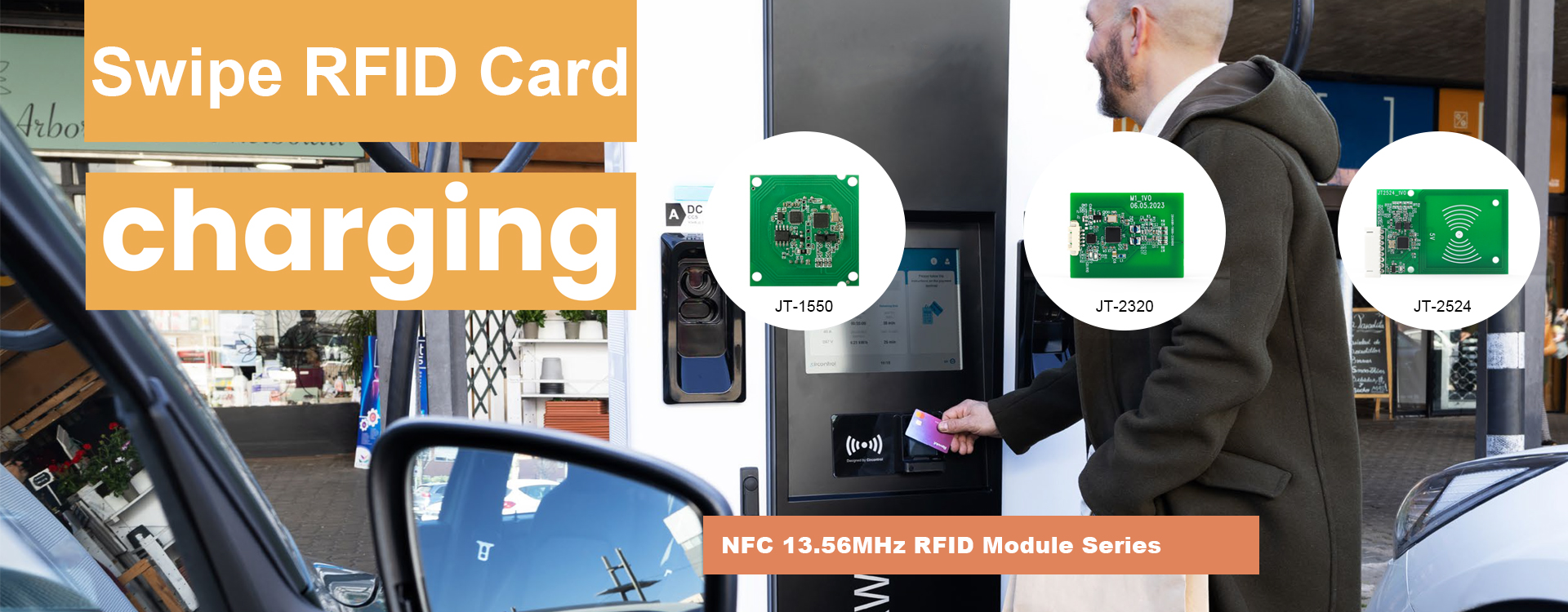
Módulo JT-2302 HF RFID 13,56 MHz ISO14443A ISO15693 Suporte para cartão Mifare1 IC Módulo JT-2302 HF RFID 13,56 MHz ISO14443A ISO15693 Suporte para cartão Mifare1 IC

Distância de leitura : 0-3cm; Frequência de trabalho: 13,56 MHz; Suporte ao protocolo ISO14443A ISO15693.

RFID reader module
JT-1550 Pequeno Mini HF RFID 13,56 MHz Módulo ISO14443A Protocolo ISO 15693 JT-1550 Pequeno Mini HF RFID 13,56 MHz Módulo ISO14443A Protocolo ISO 15693

datamega

sempre um passo a mais!

Shenzhen Jietong technology Co., Ltd é uma empresa de alta tecnologia com foco em P&D, produção e vendas de hardware UHF RFID. A Jietong possui equipe própria de P&D, cujos engenheiros têm mais de 10 anos de experiência em P&D. A fim de fornecer o melhor serviço e produto ao cliente, a Jietong está em desenvolvimento contínuo para oferecer soluções completas para o projeto, serviço pós-venda e suporte tecnológico. A Jietong tem linhas de produtos principais que incluem  leitor de leitura multi-tags UHF RFID Impinj R2000/TM200 ,  leitor de leitura de etiqueta única UHF RFID ,  leitor UHF RFID de longo alcance ,  leitor UHF RFID de médio alcance ,  leitor/gravador de mesa RFID UHF ,  módulo leitor RFID UHF ,  UHF RFID Handheld Reader ,  UHF RFID antena ,  UHF RFID cartão  e Tag, etc., Jietong tem como princípio a supremacia dos usuários e depende de novas tecnologias e alta qualidade orientadas para o mercado, forneceremos a mais recente tecnologia, os melhores produtos, a competitividade e o serviço sincero aos nossos clientes. Nós nos estabelecemos como uma parte confiável, inovadora e confiável dos  negócios de seus clientes e fornecedores.

#

+86 18681515767

#

02. Porque escolher-nos

nossa vantagem

shenzhen jietong technology co. ltd., é uma empresa de alta tecnologia com foco em P&D, produção e comercialização de identificação por radiofrequência (RFID). profissional especial em leitor da série uhf rfid de internet das coisas. Jietong possui equipe própria de P&D, cujos engenheiros têm mais de 10 anos de experiência em P&D. a fim de fornecer o melhor serviço e produto ao cliente, a jietong está em constante desenvolvimento para oferecer solução completa para o projeto, serviço pós-venda e suporte de tecnologia.jietong tem linhas de produtos principais que incluem módulo rfid uhf, leitor portátil rfid, leitor rfid uhf, leitor rfid de gama média de estacionamento, leitor de controle de acesso uhf, antena uhf, cartões e tag uhf, etc.,jt uhf rfid reader já usado intensivamente na gestão de veículos, usando o ambiente também inclui gestão de pessoal para fábrica, gestão de peso para armazém, controle de acesso para armazém e veículo, gestão de roupas, gestão de logística de tabaco, gestão de biblioteca inteligente, gestão de identificação de linha de produção, ativos gestão etc.,Jietong tem o princípio da supremacia dos usuários e depende de novas tecnologias voltadas para o mercado e de alta qualidade, iremos fornecer a tecnologia mais recente, os melhores produtos, a competitividade, o serviço sincero aos nossos clientes.

  • profissionalprofissional

    a equipe de P&D tem mais de 10 anos de experiência;

  • produtosprodutos

    oferecer produtos de baixo custo, média e alta qualidade;

  • qualidadequalidade

    proteção de patente nacional para produto de marca própria

  • serviçoserviço

    2 anos de garantia e 3 anos de manutenção de custos;

nossa vantagem

03. casos de projeto

SOLUÇÃO&CASO

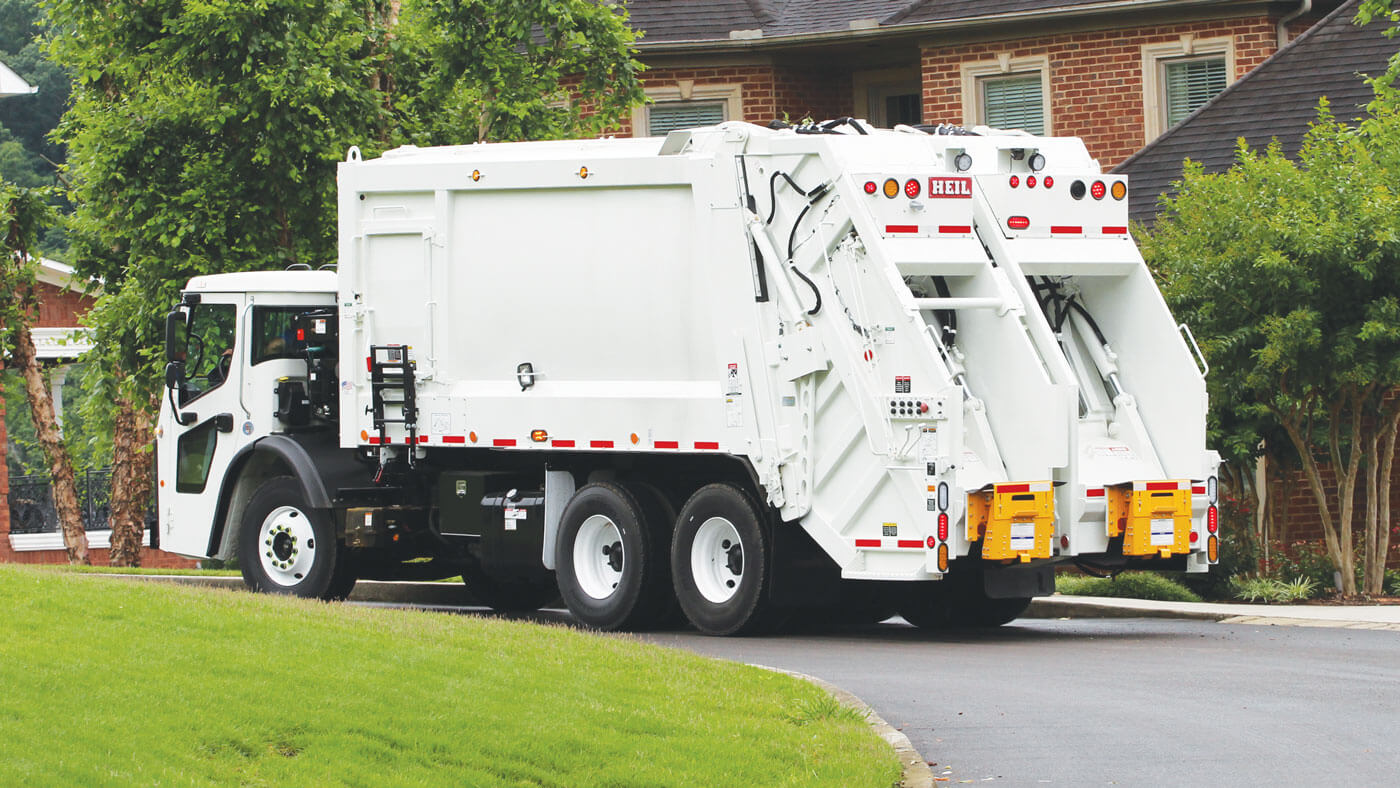
Esta página de solução ajuda os clientes a resolver o problema de instalação e gerenciamento de aplicativos usando os produtos da Jietong Technology. Estão incluídos: Gestão de veículos Gerenciamento de sistema pessoal UHF Gestão da linha de produção Gestao de logistica Gestão de ativos Gerenciamento de armazenagem Veículos de saneamento ambiental gerenciam Gerenciamento inteligente de estantes

  • Renewable Energy Manage Systems

    RFID Technology in the Renewable Energy Sector: Applications and Opportunities 1. Introduction As the global renewable energy industry expands, efficient asset management, supply c...

    consulte Mais informação
    Renewable Energy Manage Systems
  • gestão de veículos

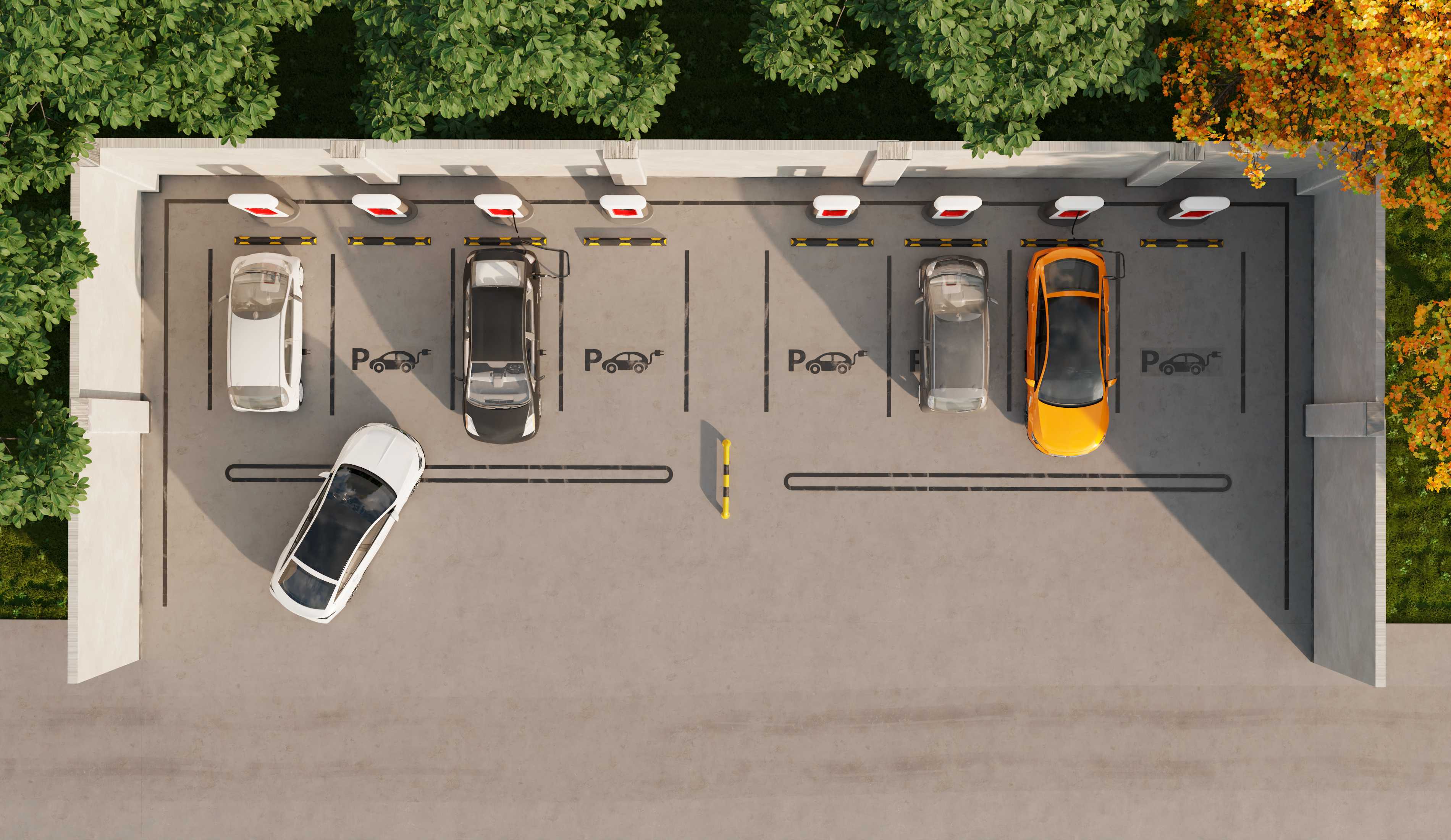
    gestão de veículoscom o desenvolvimento terapêutico da economia chinesa, os padrões de vida das pessoas estão aumentando; a propriedade total do carro também começou a crescer rapi...

    consulte Mais informação
    gestão de veículos
  • gerenciamento pessoal

    uhf rfid pessoal managementsystem>> visão geral do sistemaO sistema de gestão de pessoal de cartão de longa distância é o moderno sistema de gestão de pessoal com a combinação da t...

    consulte Mais informação
    gerenciamento pessoal
  • gestão da linha de produção

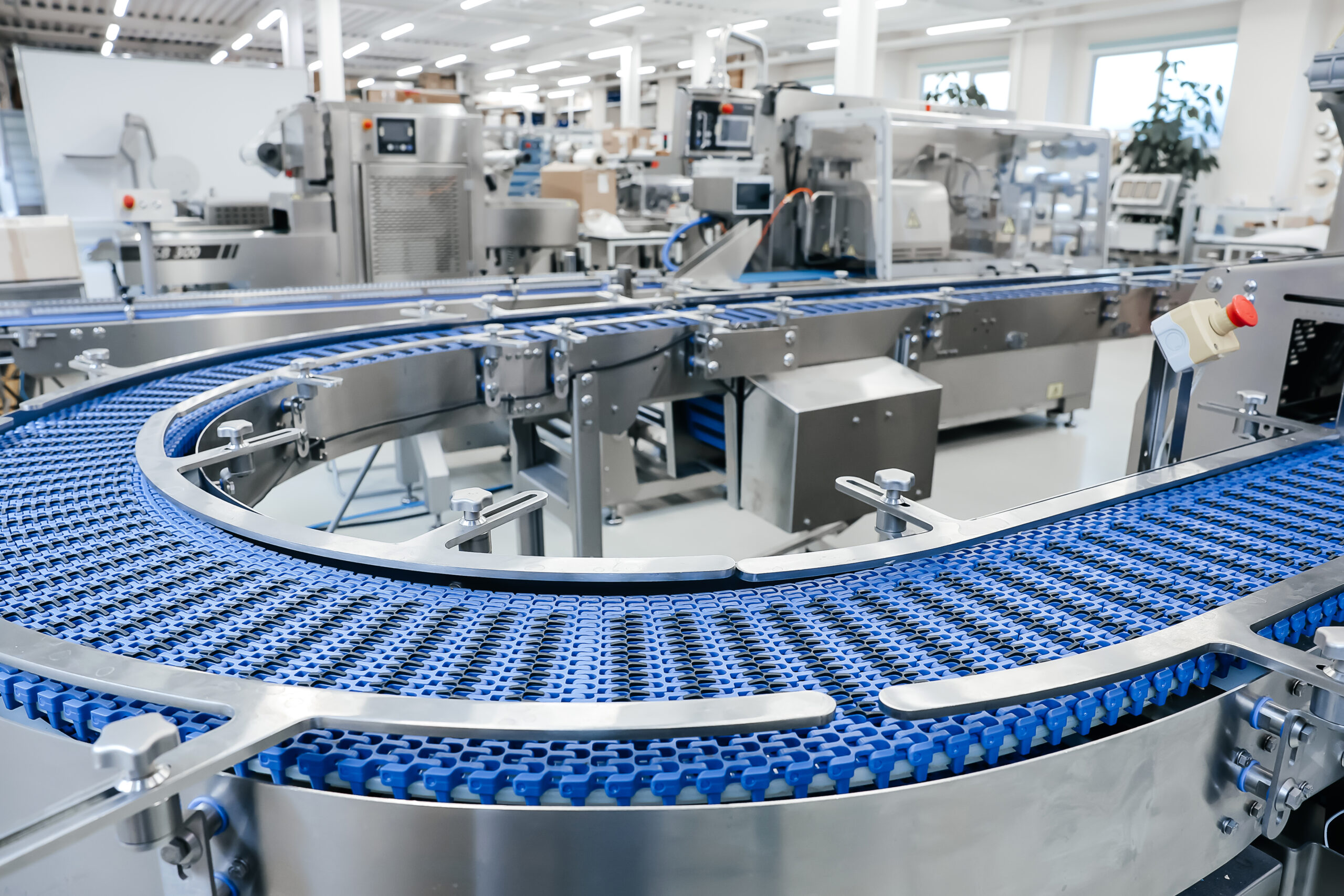
    gestão da linha de produçãopara produzir produtos de melhor qualidade, ao mesmo tempo em que reduz os custos de produção e atende aos requisitos da ISO9000, os fabricantes acompanh...

    consulte Mais informação
    gestão da linha de produção
  • gestao de logistica

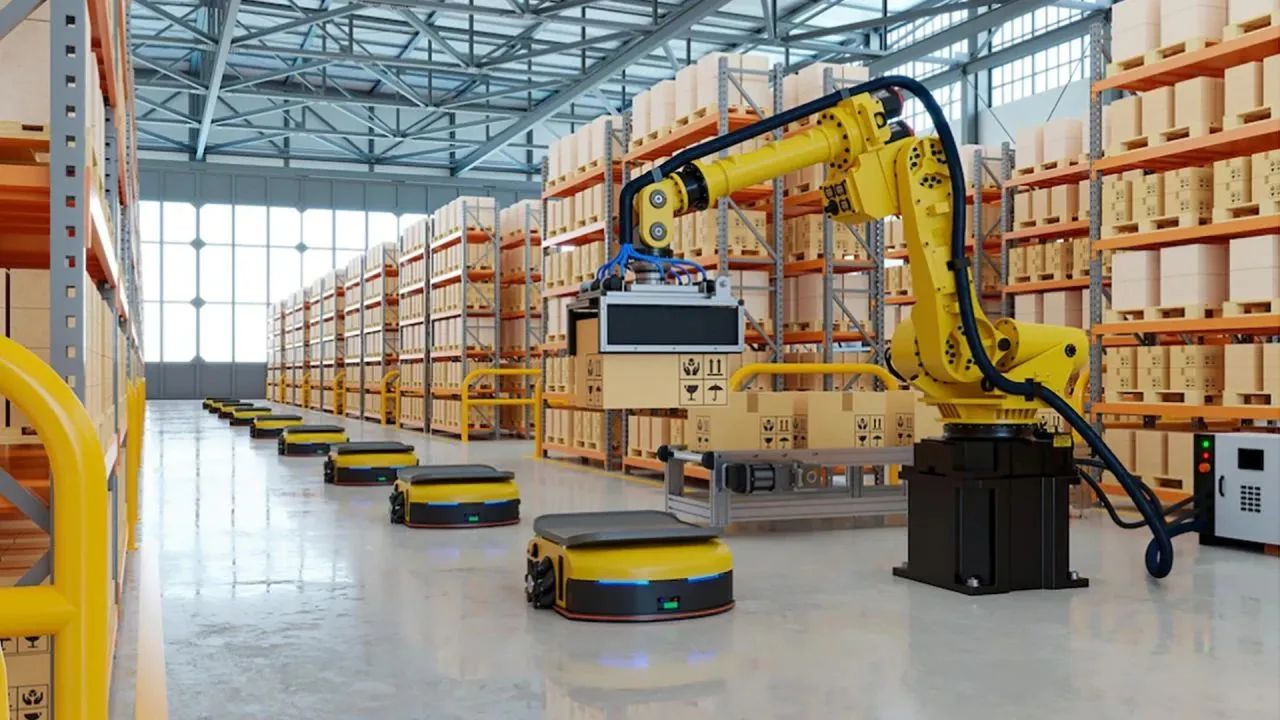
    gerenciamento de orientação de trilhos agvcom o nível de fabricação e o aumento da demanda dos clientes, uma variedade de sistemas de logística estão enfrentando muitos desafios, c...

    consulte Mais informação
    gestao de logistica
  • gestão de ativos

    sistema de gestão de rfid de ativosVisão geral do sistemaa forma de implementar manualmente a gestão de ativos incluindo o aumento, distribuição, armazenamento, eliminação, etc. de...

    consulte Mais informação
    gestão de ativos

04. eventos

últimas notícias

shenzhen jietong technology co., ltd. é uma empresa de alta tecnologia com foco no desenvolvimento, produção e vendas de identificação por radiofrequência (RFID).

Smart Offshore Cities: RFID-Driven Management of Floating Infrastructure and Resources

As global urbanization continues to accelerate, land resources are becoming increasingly scarce, and ocean space is emerging as a new frontier for human expansion and development. From offshore wind power platforms and floating docks to future visions of floating cities, the concept of “offshore urban environments” is gradually becoming a reality. However, the marine environment is complex and dynamic, with dispersed infrastructure, difficult maintenance conditions, and highly mobile resources. Traditional management approaches struggle to meet the demands of efficient and refined operations. In this context, RFID (Radio Frequency Identification), as a core component of the Internet of Things, is becoming a key enabler of offshore urban operating systems. Compared with traditional land-based cities, offshore urban systems face multiple operational challenges. Floating platforms and modular structures are widely distributed, making manual inspection costly and inefficient. Harsh environmental factors such as seawater corrosion, salt spray, and strong winds place higher demands on system stability and identification technologies. Meanwhile, material transport and personnel movement rely heavily on vessels or autonomous systems, making real-time monitoring more difficult. In the event of equipment failure or emergencies, rapid localization and response become critical. These challenges essentially stem from limited visibility and traceability—areas where RFID provides an effective solution. RFID establishes a comprehensive data acquisition network through tags, readers, and backend systems, enabling all assets within an offshore city to have unique digital identities. Floating building modules, energy equipment, vessels, emergency supplies, and personnel gear can all be tagged and managed. Technologies such as UHF RFID sticker solutions allow fast deployment across diverse surfaces, transforming isolated physical entities into interconnected digital nodes within a unified system. In practical operation, RFID systems continuously capture dynamic data on infrastructure and resources. By deploying readers at ports, storage areas, and key operational nodes—or integrating with autonomous inspection robots and unmanned vessels—the system can monitor equipment status, track material flows, and manage personnel distribution in real time. For example, directional RFID reader devices installed at docking points can automatically detect incoming shipments, enabling contactless receiving and real-time inventory updates while minimizing human error. With RFID-generated data, offshore city management can shift from reactive responses to proactive, data-driven decision-making. Systems can automatically trigger replenishment alerts based on inventory levels, schedule maintenance based on equipment usage, and optimize personnel and logistics routing. For instance, when a critical component approaches its maintenance cycle, the system can generate a task and assign t...

February 27, 2026
RFID Beyond Identification: Building the Neural Layer of Smart Systems

In the context of continuous digitalization and the evolution of the Internet of Things, the boundary between the physical world and the digital world is gradually blurring. In the past, humans relied on manual records and limited sensing methods to understand reality. Today, however, a data-driven “perception network” is taking shape. Within this network, RFID (Radio Frequency Identification) technology is no longer just a simple tagging tool—it is evolving into a critical node that connects the physical world with digital systems, functioning much like a “neural endpoint” that provides foundational sensing capabilities. In its early stages, RFID technology primarily addressed the problem of identification. By attaching electronic tags to objects and using readers for wireless communication, systems could quickly obtain identity information. This significantly improved efficiency, especially in logistics, warehousing, and retail, marking a shift from manual scanning to automated identification. At the hardware level, the integration of components such as the UHF RFID module has further standardized and miniaturized deployment, making large-scale adoption more practical. However, at this stage, RFID essentially remained a passive recording tool—it could answer “what is this,” but not “what condition is it in right now.” As application demands have grown, RFID has begun integrating with sensor technologies, gradually acquiring the ability to perceive environmental and status-related data. For instance, in cold chain logistics, RFID tags can incorporate temperature monitoring to record environmental changes in real time. In industrial manufacturing, RFID can be combined with equipment data to monitor operational status and production progress. Meanwhile, advances in infrastructure—such as the adoption of the long range RFID reader module—enable wider coverage and more flexible deployment across complex environments. This evolution signifies that RFID is no longer just a gateway for data input but has become an active participant in data generation—transforming from an identification tool into a sensing node. When RFID nodes are deployed at scale across physical spaces, a structure resembling a neural network begins to emerge. Each tag acts as a point of data collection, each reader as a channel for data transmission, and backend systems are responsible for integration and analysis. This architecture closely mirrors biological nervous systems: widely distributed, responsive in real time, and highly coordinated. In such a system, RFID is no longer an isolated device but a fundamental unit embedded within a broader intelligent network, enabling continuous perception of the physical world. At the application level, this “neuralized” RFID system is already being implemented across multiple industries. In smart logistics, RFID gives every item a traceable digital identity, recording every stage from production to delivery and forming a complete data chai...

February 24, 2026
Building Digital Life Management Systems with RFID and Intelligent Analytics

In today’s rapidly advancing fields of life sciences, medical research, and biotechnology, life itself is being digitized at an unprecedented pace. From gene sequencing and cell culture to precision medicine and bioinformatics analysis, vast amounts of data are continuously generated, processed, and modeled. Yet behind these highly abstract digital achievements lies a fundamental reality: every algorithm and model ultimately originates from physical biological samples. If the identity of these samples cannot be accurately recognized and continuously tracked in the physical world, even the most advanced algorithms may be built on unreliable foundations. For a long time, biological sample management has relied on manual registration, paper labels, or barcode systems. While such approaches may be workable at small scales, their limitations become increasingly evident as sample volumes grow to tens or hundreds of thousands. Labels can be damaged, information can become fragmented, and manual operations are often difficult to audit. Once sample identities are compromised, the reliability of experimental data, analytical conclusions, and even scientific outcomes is inevitably affected. Against this backdrop, RFID technology has begun to enter the life sciences domain and is gradually becoming a foundational component of digital life management systems. By attaching a UHF RFID sticker to each biological sample container—such as cryogenic tubes, culture plates, or specimen vials—samples are endowed with a persistent digital identity. Unlike visual identifiers, RFID labels remain readable in low-temperature, sealed, or sterile environments, making them particularly suitable for laboratory and biobank applications. With the adoption of RFID, biological samples are no longer merely physical objects on laboratory benches; they become continuously mapped entities within digital systems. From collection and storage to transportation and experimental processing, every operation, location change, and status update can be automatically captured through industrial RFID reader infrastructure. These systems enable reliable batch reading and real-time monitoring without direct human intervention, forming a complete and verifiable lifecycle record for each sample. The true value of digital life management systems lies not only in improved operational efficiency, but also in their ability to provide reliable entry points for intelligent algorithms. In automated storage facilities or cold-chain environments, a long range RFID reader module can track large volumes of biological samples simultaneously, ensuring that physical movements are accurately synchronized with digital records. This allows artificial intelligence models to operate with confidence—knowing exactly which sample is being analyzed, under what conditions, and through which processes. At the algorithmic level, RFID-linked sample data can be deeply integrated with genomic information, clinical records, expe...

February 03, 2026
RFID as the Digital ID Infrastructure of Robotic Systems

If one of the most profound transformations of the past two decades has been the digitalization of human identity—through ID cards, phone numbers, online accounts, and digital wallets—then the next two decades will witness a quieter but equally significant shift: machines are being systematically assigned identities of their own. As robots move beyond isolated tools and enter factories, warehouses, hospitals, city streets, and even homes—collaborating with humans and other machines—a fundamental question can no longer be avoided: how does a system know who a machine is? In human society, this question is answered by identity cards, passports, and social identification systems. In the emerging robotic society, that role is increasingly being played by RFID. A robot without a stable, verifiable identity can only be treated as a replaceable device. Once it is given a recognizable and traceable identity, however, it becomes part of a managed system—subject to rules, permissions, and responsibility. Identity is the line that separates tools from participants. In the early days of automation, robots did not need identities. A robotic arm performed fixed movements, an AGV followed predefined routes, and recognizing the individual machine was largely irrelevant. Today, this assumption no longer holds. Robot populations are growing rapidly, collaboration is becoming more complex, and robots are being deployed in open and semi-open environments. Systems must know which robot is executing a task, whether it is authorized to enter a restricted area, and who—or what—is responsible when something goes wrong. Under these conditions, identity has shifted from a “nice-to-have” feature to a foundational requirement. Some may ask why IP addresses or QR codes are not sufficient. These solutions can work within limited, closed systems, but they are poorly suited to serve as the foundational identity mechanism of a machine society. IP addresses depend on network connectivity and are inherently changeable. QR codes require line-of-sight scanning and human or camera intervention, which reduces reliability in industrial and harsh environments. RFID, by contrast, offers contactless identification, strong uniqueness, physical embeddability, and environmental robustness. In practical deployments, identity recognition is typically enabled by a combination of RFID chips and uhf rfid antenna systems, allowing machines to be identified reliably without physical contact or human participation. Within a robotic society, RFID is not merely a serial number—it is the physical root of a digital identity system. Each RFID chip carries a unique identifier that can be bound to a robot at manufacturing or during system onboarding. Even when a robot is offline, powered down, or partially disassembled, its identity remains intact. Around this physical anchor, backend systems build comprehensive mappings that link the RFID ID to model information, ownership, permission levels, operational s...

January 29, 2026
RFID-Enabled Identification for Intelligent Deep-Sea Exploration

Human understanding of the deep sea still lags far behind our imagination of outer space. Although more than 70% of the Earth’s surface is covered by oceans, only a small fraction of deep-sea regions has been systematically explored and documented. As deep-sea resource development, marine scientific research, and polar exploration continue to accelerate, a critical challenge has emerged: how to reliably identify, track, and manage equipment and samples in an extreme subsea environment characterized by high pressure, low temperature, severe corrosion, and the absence of GPS signals. This is where RFID technology is beginning to play an increasingly important role in deep-sea operations. 1. The Information Blind Spots of Deep-Sea Operations In traditional deep-sea missions, whether involving ROVs (Remotely Operated Vehicles), AUVs (Autonomous Underwater Vehicles), or deep-sea landers and sampling tools, information management has largely relied on manual labeling, video review, and mission logs. These approaches suffer from several inherent limitations. First, real-time verification is difficult; errors in sample recovery are often discovered only after the equipment returns to the surface. Second, data linkage is weak—equipment IDs, samples, timestamps, and depth information are often stored separately, making it hard to establish a complete traceability chain. Third, during long-term or multi-expedition projects, equipment mix-ups and sample misidentification remain common risks. As deep-sea exploration moves toward larger-scale and more systematic operations, traditional manual methods are no longer sufficient. 2. Why RFID Is Well Suited for Deep-Sea Environments RFID was not originally designed for deep-sea applications, yet several of its inherent characteristics make it particularly suitable for subsea use. First, RFID does not rely on line-of-sight. Unlike QR codes or visual markers, RFID uses radio-frequency communication, enabling stable identification even in turbid water and low-light conditions. Second, RFID components can be robustly encapsulated. In deep-sea scenarios, antennas such as RFID ceramic antennas are especially valuable due to their excellent resistance to high pressure, saltwater corrosion, and long-term environmental stress. Third, RFID provides unique identification. Each tag carries a globally unique ID, effectively creating a “digital identity” for every piece of equipment or sample—an essential foundation for deep-sea data systems. For compact subsea instruments and sampling containers, small UHF RFID antennas can be embedded directly into housings without affecting mechanical integrity, enabling identification while preserving streamlined structural design. In underwater applications, RFID is typically deployed for short-range identification, often operating in coordination with underwater communication systems rather than attempting long-distance wireless transmission. 3. Intelligent Identification and Management of...

January 27, 2026
Turning Reality into Intelligence: RFID as the Perceptual Gateway of Brain-Inspired Systems

Behind the frequently mentioned phrase “the brain-inspired era” lies a profound paradigm shift. Artificial intelligence is no longer driven only by bigger models and more computing power, but is beginning to learn from the human brain itself: perception, association, memory, decision-making, and evolution. Models are becoming more like a “digital brain.” Yet a fundamental question emerges: how can such a brain truly understand the real world? Without perceptual gateways, even the most powerful neural network is merely an “island of intelligence” trapped inside data. In this context, RFID is quietly becoming the first critical bridge connecting the physical world with brain-inspired intelligence. Traditional AI mainly learns from text, images, and speech on the internet — a “described world.” But true brain-inspired intelligence needs a “perceived world.” Just as a baby does not learn by reading books, but by touching, grasping, and observing, machines must build cognition through direct interaction with reality. UHF RFID tags — including specialized forms such as UHF RFID sport tags — act as the “sensory neurons” of this system, giving every object a unique, readable digital identity. When billions of items become perceptible, the world itself turns into a living perceptual map for neural networks. Technically, RFID is far more than an advanced barcode. It is a neural encoder for the physical world. RFID ceramic antennas enable stable and reliable sensing in harsh environments such as metal surfaces, high temperatures, and industrial workshops, while long-range and directional reader architectures provide spatial perception similar to human vision. A long range RFID reader module combined with a directional RFID reader gives the system “far-sight” and “focus,” allowing machines to understand where objects are, how they move, and how they interact in space — exactly like a visual cortex for the industrial world. In brain-inspired systems, perception is never isolated. It is tightly coupled with memory, reasoning, and prediction. RFID’s unique strength lies in its built-in time dimension and causal traceability. From raw material to finished product, every lifecycle event is captured by UHF RFID, forming an “experience memory” for neural networks. When an anomaly occurs, the system recalls similar sensory histories and predicts failure paths, making decisions closer to human intuition. In manufacturing, this bridge is already transforming factories. Traditional digital plants rely on dashboards; brain-inspired factories rely on perception. RFID-enabled machines, tools, and materials become part of a living sensory network. With ceramic-antenna-based tags surviving harsh production lines and long-range readers covering wide shop-floor areas, neural networks learn process laws, quality causality, and hidden risk patterns. The factory evolves from automation to cognition. In logistics and smart cities, the same architecture scales into a “sensory nerv...

January 19, 2026
#
#

05. consulta gratuita

Deixe um recado

se você está interessado em nossos produtos e deseja saber mais detalhes, deixe uma mensagem aqui, nós responderemos o mais breve possível.

*
*
*

direito autoral © 2026 Shenzhen Jietong Technology Co.,Ltd. todos os direitos reservados.

rede ipv6 compatível

topo

Deixe um recado

Deixe um recado

    se você está interessado em nossos produtos e deseja saber mais detalhes, deixe uma mensagem aqui, nós responderemos o mais breve possível.

  • #
  • #
  • #