RFID-Enabled Smart Office: Streamlining Meetings and Assets
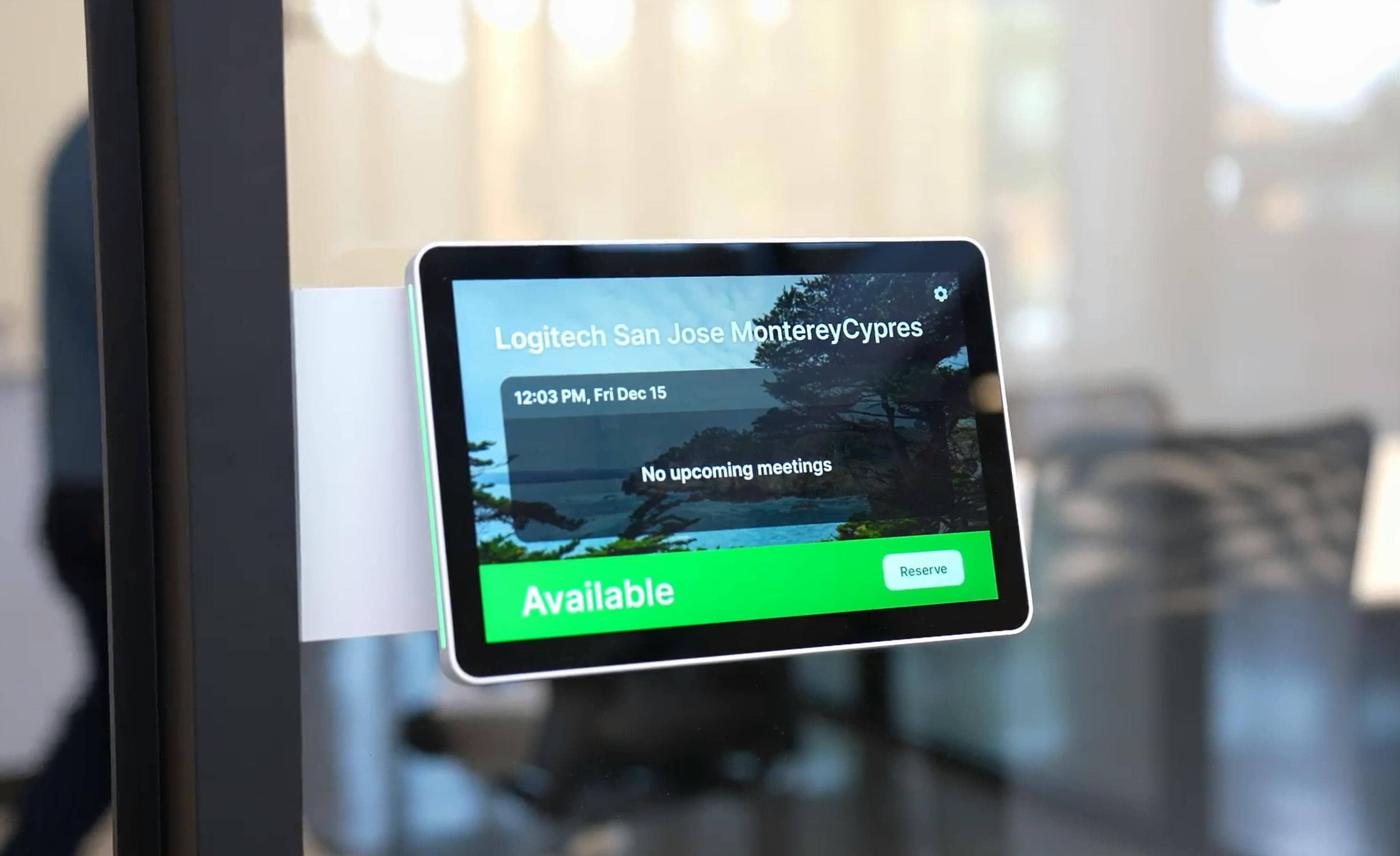
In recent years, as companies advance their digital transformation, office management has been undergoing noticeable changes. From the chaos of meeting room reservations to misplaced equipment and cumbersome asset inventories, these seemingly minor issues can significantly affect workplace efficiency. Finding ways to make office resources operate more smoothly has become a key focus for many organizations. In this context, RFID technology, with its ability to automatically identify, quickly read, and reliably track items, has gradually become an essential tool in smart office environments.
Meeting room utilization is a common pain point in daily office operations. Although most companies use online booking systems, the reality often does not match what the system shows. Rooms appear reserved in the system but are actually empty; conversely, employees may book a room only to find it occupied upon arrival. The root of the problem is that the reservation system cannot reflect real-time room usage. RFID technology addresses this issue by enabling real-time monitoring of room occupancy, making the booking process more accurate.
By installing RFID readers at meeting room entrances, employees carrying ID cards or badges embedded with RFID can be automatically recognized when entering the room. The system can then verify whether a scheduled meeting has actually begun. Manual check-ins become unnecessary, and room status is updated in real time. If the booked employee does not arrive on time, the system can automatically release the room, preventing resources from being occupied but unused. For companies that often experience “no-show” bookings or room conflicts, this feature significantly improves utilization.
RFID also simplifies pre- and post-meeting procedures. Upon entering the room, the system verifies identity and grants access. Once the meeting starts, connected devices can automatically activate based on the triggered information. At the end of the meeting, the system detects when employees leave, restoring the room to a ready state and powering down equipment. Tasks that previously required manual attention are now automated, reducing the administrative workload considerably.
With sufficient accumulated data, an RFID system can also provide insights into meeting room usage patterns. For instance, it can identify which rooms are most frequently used, which departments have higher meeting demands, and what types of meetings require particular spaces. This allows organizations to adjust the number and distribution of rooms or to redesign office layouts to better suit actual needs.
Beyond meeting room management, asset tracking is another area where RFID shows significant value. Offices contain numerous IT devices, projectors, displays, and other tools, which are costly and frequently moved. These items are prone to being misplaced or left idle for long periods. Traditional barcode-based management requires scanning items individually, which is time-consuming and prone to errors. RFID transforms this process.
Attaching RFID tags to assets allows administrators to scan large areas in seconds using handheld devices. Unlike barcodes, RFID does not require line-of-sight and is unaffected by the orientation or placement of items, often increasing inventory efficiency several-fold. For large organizations with numerous devices, such as manufacturers or research institutes, this capability is particularly valuable.
More importantly, RFID enables real-time asset location tracking. By placing antennas at key points on each floor, the system records asset movement. From procurement and storage to usage, borrowing, maintenance, and disposal, every transfer is accurately logged. If an item leaves an authorized area, alerts are triggered immediately, reducing the risk of loss. Borrowing records become clear and transparent, minimizing disputes.
RFID also supports full lifecycle management of assets. For example, it can track a projector’s age, maintenance history, and usage frequency. This allows organizations to better assess asset conditions, avoiding redundant purchases and reducing waste. For large institutions, this data-driven approach to asset management can save significant costs over time.
When meeting room reservation systems and asset management systems are integrated via RFID, a more intelligent office ecosystem emerges. Before a meeting, the system can automatically verify that all necessary equipment—projectors, remotes, microphones—is in place. If something is missing or abnormal, the system alerts administrators in advance, preventing interruptions. During the meeting, if any equipment is moved, RFID can detect it and issue notifications. After the meeting, the system ensures all items are returned and restores the room to a bookable state.
To implement these capabilities, companies typically need a set of RFID infrastructure, including readers, ceiling or directional antennas, tags suitable for various materials, employee ID cards, and a backend management platform. Deployment strategies vary depending on office size and environment, but the core logic revolves around sensing, identifying, recording, and managing assets and personnel.
As RFID continues to integrate with IoT, big data, and automation technologies, the boundaries of smart offices are expanding. In the future, office spaces may not only track meetings and assets but also adjust lighting, climate, and energy consumption dynamically, responding to employee movement and needs. In this ecosystem, RFID serves not just as an identification tool but as a critical data gateway for modern workplaces.
For organizations, RFID is more than a technology—it is a means to improve the office experience and enhance management efficiency. By applying it to meeting room bookings and asset tracking, companies gain precise control, streamline workflows, and create a more organized, efficient office environment. Its value extends beyond cost reduction, helping businesses move toward smarter, more modern workplaces.
categorias
novo blog
direito autoral © 2026 Shenzhen Jietong Technology Co.,Ltd. todos os direitos reservados.

rede ipv6 compatível

 português


